
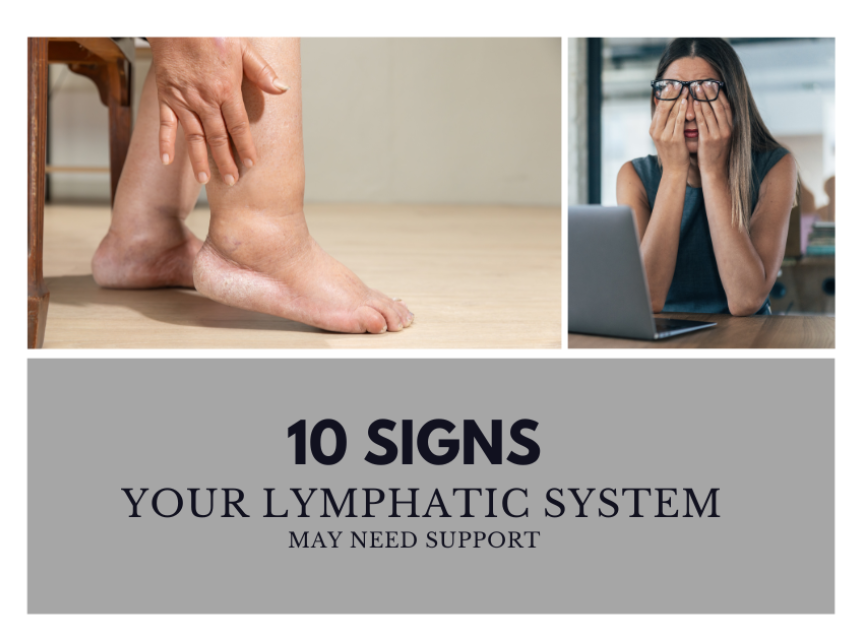
10 Signs Your Lymphatic System May Need Support
Most people have heard of the circulatory system, but far fewer know about the lymphatic system—despite it playing a vital role in your immune system, recovery and overall wellbeing.
If you've been feeling puffy, sluggish, achy or like you're never quite back to your best, your lymphatic system could be one piece of the puzzle.
Let's explore the signs, what they mean, and how you can support your body's natural drainage system.
Is Your Lymphatic System Working Efficiently?
Think of your lymphatic system as your body's clean-up and drainage network.
Every day, it helps move excess fluid, waste products and immune cells around your body. Unlike your heart, which pumps blood continuously, the lymphatic system has no pump of its own. Instead, it relies on movement, breathing, muscle contractions and gentle stimulation to keep lymph fluid flowing.
When that flow slows down, fluid can begin to collect, and many people notice subtle symptoms long before they realise what's happening.
10 Signs Your Lymphatic System May Need Support
1. You Feel Puffy or Swollen
Do your rings suddenly feel tighter?
Are your ankles swollen by the end of the day?
Does your face look puffier in the morning?
Occasional swelling can happen for many reasons, but persistent or recurring swelling may indicate that lymph fluid isn't draining as efficiently as it could.
2. Your Legs Feel Heavy
Heavy legs aren't always caused by exercise.
Many people describe their legs as feeling:
- heavy
- tight
- uncomfortable
- difficult to move after sitting or standing for long periods
This can sometimes be linked with sluggish lymphatic circulation.
3. You Recover Slowly After Injury or Surgery
Swelling is a normal part of healing.
However, if swelling lingers longer than expected, supporting lymphatic drainage may help reduce excess fluid and encourage recovery as part of an appropriate rehabilitation plan.
4. You Often Feel Run Down
The lymphatic system forms an important part of your immune system.
While no massage can "boost" immunity in the way supplements often claim, keeping your body moving and supporting healthy lymph flow may contribute to normal immune function and overall wellbeing.
5. You Feel Stiff First Thing in the Morning
Morning stiffness isn't always caused by arthritis.
Some people notice they feel generally swollen or stiff when they wake up, particularly after periods of inactivity.
Gentle movement often improves these symptoms because it naturally encourages lymph flow.
6. You Spend Most of the Day Sitting
Modern lifestyles aren't particularly lymph-friendly.
If your day involves:
- desk work
- driving
- travelling
- long meetings
your lymphatic system receives less natural assistance from muscle movement.
7. Your Body Feels Sluggish After Illness
Many people recovering from viral illnesses describe feeling:
- drained
- foggy
- heavy
- slow to recover
Although everyone's recovery is different, some people find gentle lymphatic drainage massage helps them feel more comfortable and supports their return to normal daily activities.
8. You Notice Swelling After Flying
Long flights often mean hours of sitting still.
Combined with changes in cabin pressure, many people experience swollen ankles, feet or hands after travelling.
Walking, staying hydrated and moving regularly can all help.
9. Your Skin Feels Tight Around Swollen Areas
When excess fluid builds up, the skin can sometimes feel stretched or tight.
If swelling is persistent, worsening or accompanied by redness, warmth or pain, it's important to seek medical advice promptly.
10. You Simply Don't Feel Like Yourself
Sometimes it's difficult to pinpoint exactly what's wrong.
You might simply feel:
- sluggish
- heavy
- uncomfortable
- lacking energy
While these symptoms can have many causes, your lymphatic system is one area worth considering alongside advice from an appropriate healthcare professional.
What Helps Your Lymphatic System Naturally?
Small daily habits can make a real difference.
Keep Moving
Walking, swimming, stretching and gentle exercise all encourage lymph flow.
Stay Hydrated
Water helps support many of your body's natural processes, including healthy circulation.
Deep Breathing
Your diaphragm acts like a natural pump for lymphatic movement.
Even a few minutes of slow, controlled breathing can help encourage circulation.
Avoid Sitting Too Long
Try standing up every 30-60 minutes if you work at a desk.
Consider Manual Lymphatic Drainage
Manual Lymphatic Drainage (MLD) is a specialised, gentle treatment designed to encourage the natural movement of lymph fluid through the body.
Unlike a traditional massage, it uses very light, rhythmic techniques specifically aimed at supporting lymphatic drainage.
Who May Benefit From Lymphatic Drainage?
People often seek lymphatic drainage massage if they're experiencing:
- mild fluid retention
- feelings of heaviness
- post-surgical swelling (when appropriate and medically cleared)
- recovery after illness
- lymphoedema (as part of a healthcare professional's management plan)
- lipoedema
- fibromyalgia symptoms
- rheumatoid arthritis-related stiffness
Every person is different, so treatment should always be tailored to your individual circumstances.
When Should You See Your GP Instead?
Lymphatic drainage massage is not suitable for every situation.
You should seek medical advice if you experience:
- sudden or unexplained swelling
- redness or heat in the skin
- severe pain
- swelling affecting only one leg
- signs of infection such as fever or rapidly worsening symptoms
These symptoms may require urgent medical assessment before any hands-on treatment.
Frequently Asked Questions
Does lymphatic drainage massage hurt?
No. It is one of the gentlest massage techniques available. Most people find it deeply relaxing.
How long does a session take?
A full Manual Lymphatic Drainage treatment typically lasts around 40 minutes, although this depends on the areas being treated.
How many sessions will I need?
This varies depending on your symptoms, medical history and goals. Some people notice improvements after one treatment, while others benefit from a course of sessions.
Can I have lymphatic drainage after surgery?
Often yes—but only when your consultant or surgeon has confirmed it is appropriate. Timing is important and varies depending on the procedure.
How We Can Help at The Therapy Venue
At The Therapy Venue, we provide Manual Lymphatic Drainage in a calm, supportive environment.
We'll take time to understand your symptoms, explain whether treatment is appropriate for you, and recommend the most suitable approach for your recovery and wellbeing.
Whether you're recovering after illness, managing swelling, preparing for surgery or simply feeling like your body needs some extra support, we're here to help.
Book an appointment today or get in touch if you'd like to discuss whether lymphatic drainage is right for you.
- Log in to post comments