

BACK PAIN AND SLEEP
Let’s face it – there’s nothing more frustrating than tossing and turning at night because of back pain. You try every position under the sun, only to wake up feeling more tired than when you went to bed. If this sounds familiar, you're not alone. One in three people will suffer from back pain-related sleep issues at some point in their lives.
But why does sleep become so elusive when your back is aching? And more importantly, what can you do about it?
Your Spine – The Unsung Hero
Your spine is the backbone (literally!) of your entire body. Without it, we’d be nothing more than a soft pile of muscles, organs and tissue. It supports us, lets us move, and protects the spinal cord – that crucial channel connecting your body to your brain.
It’s made up of bones called vertebrae, intervertebral discs that act as shock absorbers, and a network of muscles and ligaments that help you bend, twist and stay upright. But when something goes wrong in this complex chain – like a stiff joint, a weak muscle, or poor alignment – it can cause discomfort and, if left untreated, chronic pain.
How Sleep and Back Pain Are Connected
Back pain doesn’t just make daytime activities a struggle – it can seriously disrupt your sleep too. And lack of sleep can make your pain feel worse, setting off a frustrating cycle of discomfort and fatigue.
In fact, studies show that poor sleep contributes to muscle tension, lowers your pain threshold, and can even impact your mood and mental health. So, improving your sleep can actually help you feel better during the day – and vice versa.
The Vicious Cycle of Chronic Back Pain
It’s easy to fall into a cycle when back pain strikes:
- Pain keeps you awake at night
- You’re tired, stressed and less active during the day
- This leads to muscle weakness and poor posture
- That, in turn, causes more pain… and more sleepless nights
The good news? You can break the cycle with a few simple changes.
6 Strategies for Better Sleep (and a Happier Back)
Here are some tried-and-tested tips from our Back Pain and Sleep Guide to help you reclaim your rest:
1. Find the Right Sleeping Position
Sleeping on your back with a pillow under your knees helps maintain the natural curve in your spine. Not comfortable? Try sleeping on your side with a pillow between your knees. If you have a herniated disc, the fetal position may ease the pressure.
The golden rule? Keep your spine in alignment – your ear, shoulder and hip should form a straight line.
2. Choose the Right Pillow
Your pillow should support your neck properly. Too high or too low and your head will tilt awkwardly, placing strain on your spine. Side sleepers need a firmer, thicker pillow. Back sleepers usually do better with a thinner pillow or one with neck support. Stomach sleepers? It might be time to switch positions altogether!
3. Don’t Underestimate Your Mattress
A mattress that’s too soft won’t support your spine; too firm and it may press on pressure points. A medium to firm mattress is usually best. If replacing yours isn’t an option, a memory foam topper or placing a board underneath can make a big difference.
4. Stick to a Sleep Routine
Go to bed and wake up at the same time each day. Keep your room cool, dark and quiet. Avoid screens before bed, reduce caffeine and alcohol in the evening, and steer clear of heavy meals or strenuous exercise right before lights out.
5. Relieve Pain Before Bed
Gentle stretches, hot or cold packs, and breathing exercises can ease pain and prepare your body for sleep. We include bedtime stretches and yoga poses in our guide that are easy to follow and effective.
6. Keep a Sleep Diary
Tracking your habits can reveal patterns and triggers. Note how long it takes to fall asleep, how many times you wake up, and how you feel in the morning.
How Physical Therapy Can Help
Pain doesn’t need to rule your life – or your nights. A physical therapist can treat the cause of your back pain using hands-on techniques like massage, spinal mobilisation, acupuncture and more. They'll also help you with exercises to correct muscle imbalances, improve posture and support your spine.
And if needed, they can refer you to other professionals – such as a dietitian, if weight is a contributing factor.
Don't Suffer in Silence
Back pain and poor sleep are deeply connected – but there’s plenty you can do to take back control. Prevention is key: pay attention to early signs, practise good body mechanics, and seek help before the pain becomes chronic.
Download our FREE Back Pain and Sleep Resources for videos, stretches and step-by-step tips to help you sleep better – starting tonight.
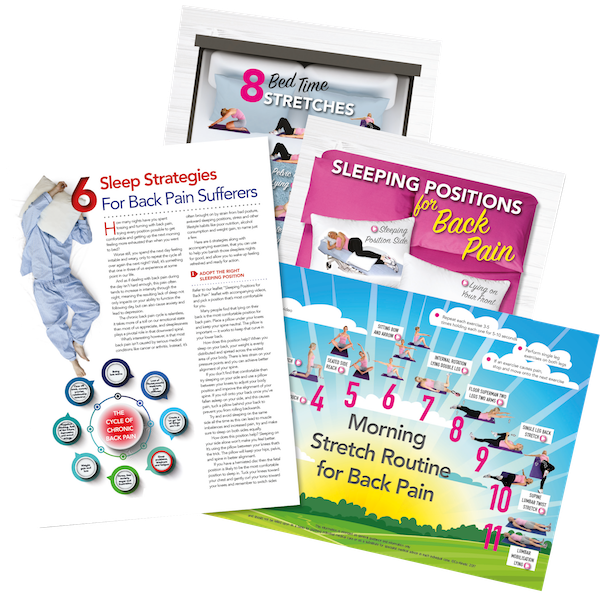
The guide includes:
- 6 Strategies for Improving Your Sleep
- 8 bedtime stretches to relieve back pain (with video links)
- Sleeping positions that will help relieve pain (with links to videos)
- 7 Yoga Poses that will help cure most back pain issues
- A morning stretch routine that will help ease pain from a restless night (with videos)
Disclaimer: This information is intended as general guidance and information only and should not be relied upon as a basis for planning individual medical care or as a substitute for specialist medical advice in each individual case.